Deciphering Bonus Incentive Pathways in Multi-Platform Digital Ranking Circuits
Written by Parker Butler · Sep 19, 2026
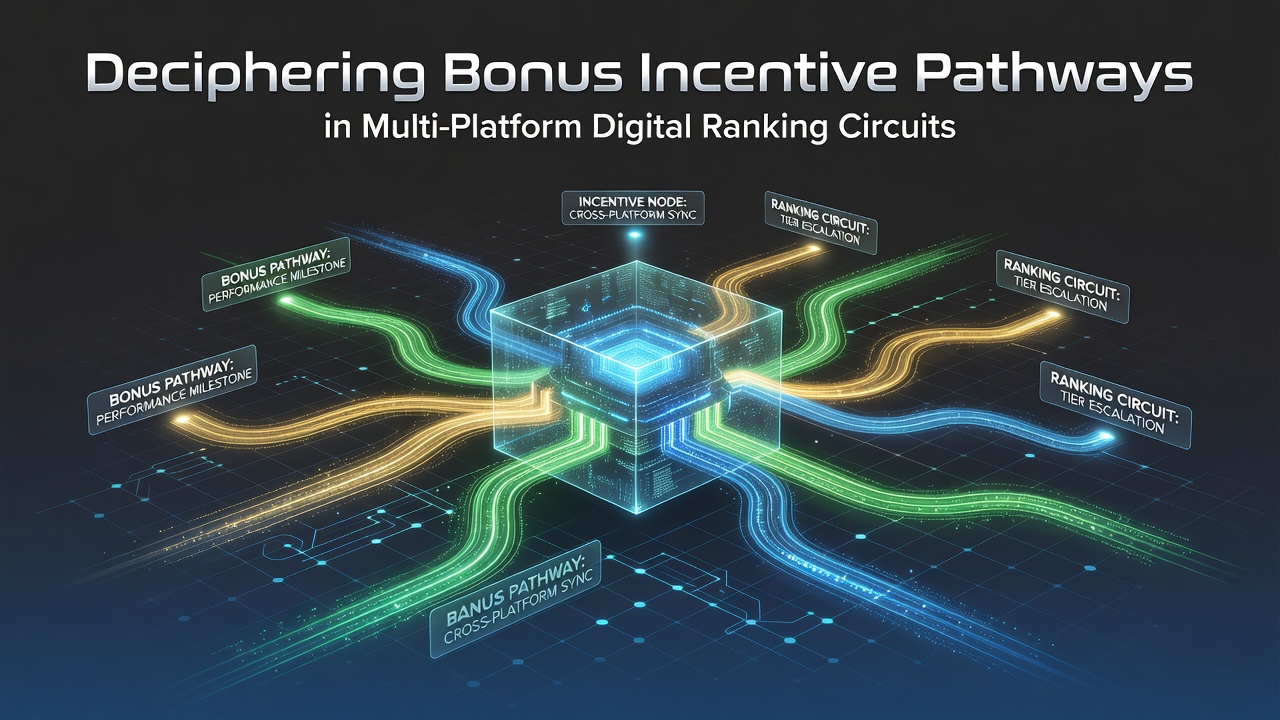
Deciphering Bonus Incentive Pathways in Multi-Platform Digital Ranking Circuits
Multi-platform digital ranking circuits operate through layered systems where bonus incentives connect across websites, mobile applications, and integrated networks, and participants track progress via shared leaderboards that update in real time. These circuits link different operators so that achievements on one platform contribute points or credits toward rewards available on others, which creates pathways that users navigate by completing specific tasks such as reaching certain spin volumes or hitting volatility thresholds.
Core Components of Incentive Structures
Operators design incentive pathways around accumulation mechanics that convert activity metrics into redeemable bonuses, and data from industry reports show that September 2026 saw increased synchronization between platforms after several providers updated their application programming interfaces. Players advance along these routes when they meet daily thresholds or participate in cross-site events, while the underlying algorithms adjust reward values based on regional participation rates and historical engagement patterns.
One study released by the National Council on Problem Gambling examined how these pathways distribute bonuses across North American networks, and figures revealed that multi-platform users received an average of 18 percent more credits than single-site participants during the first half of the year. The same analysis highlighted that pathways often branch into tiered levels where higher ranks unlock accelerated point multipliers and exclusive draws.
Tracking Mechanisms and Data Synchronization
Live tracking relies on centralized databases that pull information from each connected platform every few seconds, which allows ranking circuits to display unified standings even when users switch devices mid-session. Engineers at several development firms have documented how these systems handle latency by queuing updates during peak hours, and the process prevents discrepancies that could otherwise disrupt bonus eligibility calculations.
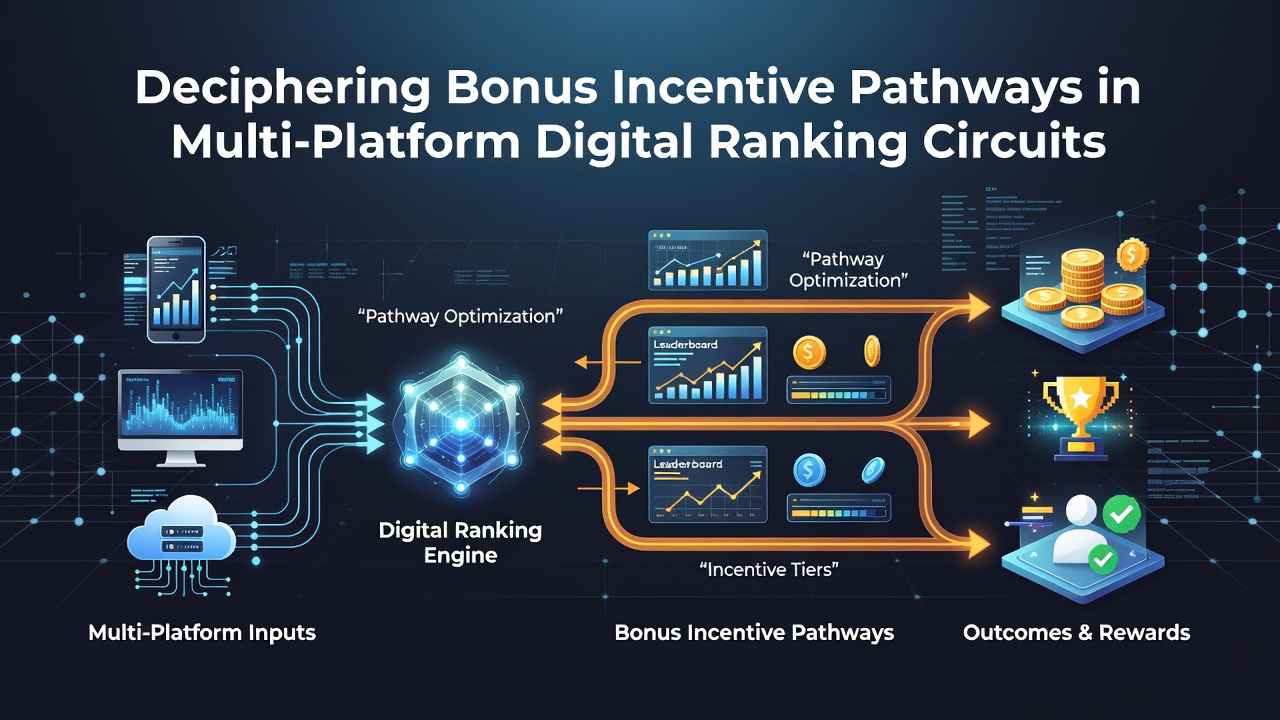
According to documentation from the European Gaming and Betting Association, synchronization standards adopted in 2025 reduced reporting errors by 27 percent across participating operators, and similar protocols continue to expand into additional markets. Observers note that the same infrastructure supports audit trails required by regulators, which means every bonus award carries a verifiable record of the activity that triggered it.
Regional Regulatory Influences
Regulators in different jurisdictions shape how pathways function by setting limits on bonus values, entry requirements, and data-sharing practices, while Australian authorities through the Department of Social Services have issued guidelines that require transparent disclosure of all accumulation rules before users enter any circuit. Canadian provincial bodies have implemented comparable measures that emphasize clear communication of point expiration dates and conversion rates.
These rules affect pathway design because operators must adjust algorithms to remain compliant across borders, and companies that operate in multiple regions often maintain separate tracking modules for each regulatory environment. Research from the University of Nevada, Las Vegas Gaming Research Center has mapped how such adaptations influence overall participation volumes without altering core ranking logic.
Pathway Navigation Patterns
Users typically follow linear routes at first before branching into specialized tracks that reward consistent play or high-volatility selections, and data indicates that those who combine both approaches achieve faster rank progression. Platforms provide visual indicators such as progress bars and milestone alerts that guide participants along the most efficient routes, while backend systems log every choice so that future recommendations reflect proven patterns.
One case examined by academic researchers showed that participants who reviewed their activity summaries weekly increased their bonus redemption rates by measurable margins compared with those who did not, and the difference persisted across several months of observation. The same report emphasized that clear pathway mapping tools correlate with higher retention figures in circuits that span three or more platforms.
Conclusion
Bonus incentive pathways in multi-platform digital ranking circuits continue to evolve through improved synchronization, regulatory alignment, and refined tracking tools, and September 2026 data confirms ongoing expansion of these networks. The structures reward systematic engagement while maintaining auditability required by oversight bodies, which keeps the systems both functional and compliant across regions.