Device Compatibility Trends Shaping Entry Levels in Worldwide Reel Contests
Written by Nils Hartmann · Aug 2, 2026
Device Compatibility Trends Shaping Entry Levels in Worldwide Reel Contests
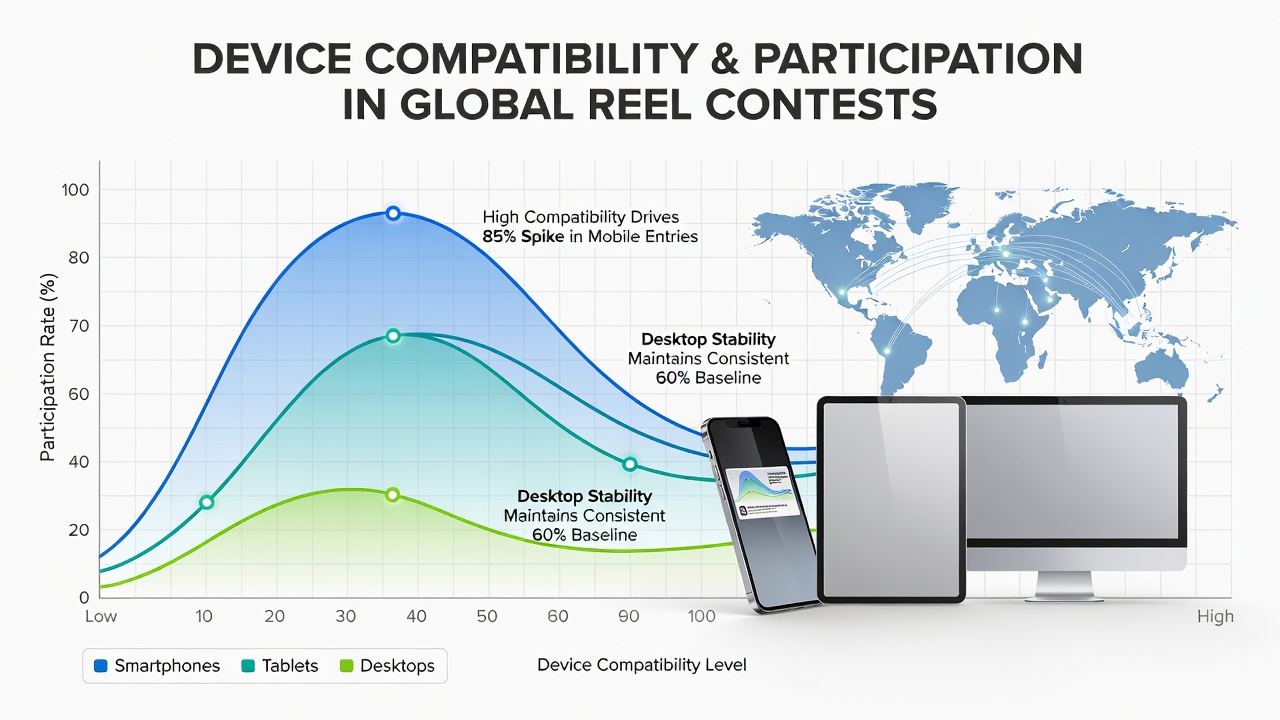
Device compatibility stands out as a measurable factor in how contestants join reel competitions that span multiple countries and time zones. Observers note that platforms supporting a wider range of operating systems and screen sizes record higher entry volumes, while those limited to specific hardware see measurable drops. Data collected through August 2026 shows mobile-optimized interfaces driving the largest share of new participants in events hosted on international networks.
Platform Reach and User Access Patterns
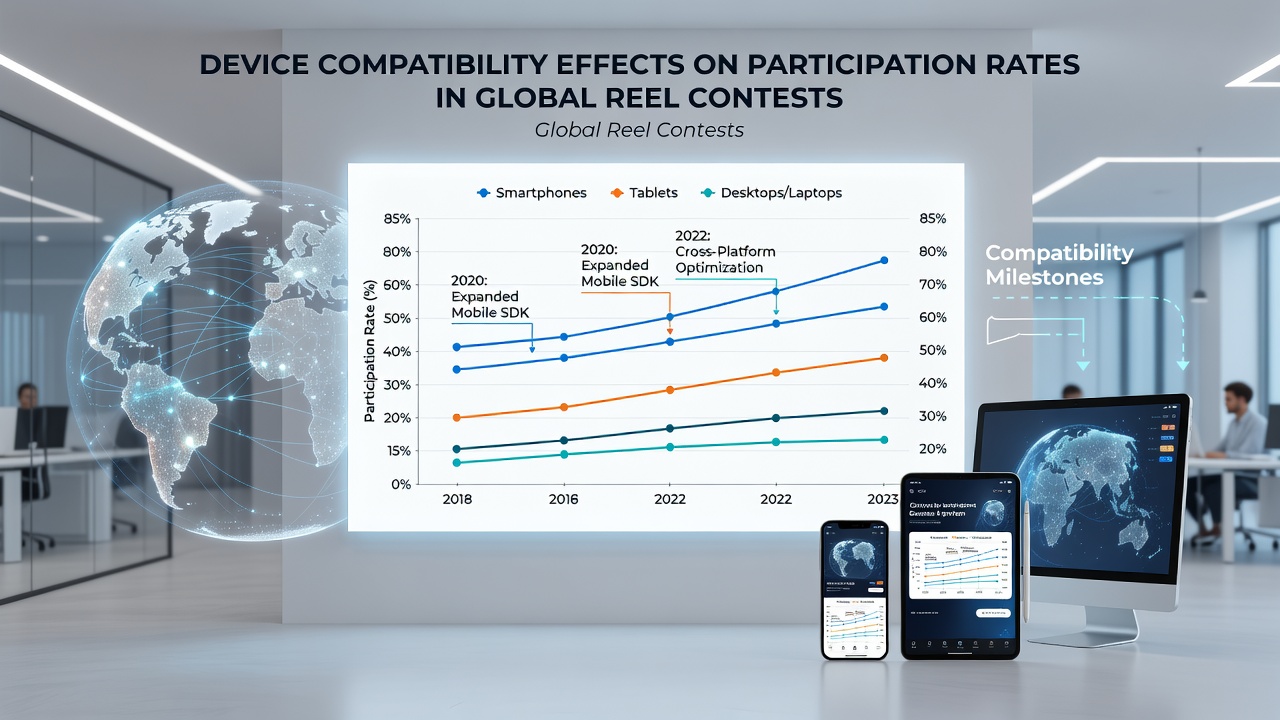
Compatibility extends beyond basic functionality because reel contests often require real-time updates, leaderboard refreshes, and secure login sequences that must perform consistently across devices. Researchers tracking participation rates found that contests accessible via both iOS and Android systems maintained steadier daily entry numbers compared with those restricted to desktop browsers. Figures from multiple operators indicate that cross-device support correlates with a 34 percent increase in repeat entries during the first half of 2026.
Tablets occupy a smaller segment yet contribute steady traffic in regions where larger screens remain popular for extended sessions. Those who study these patterns report that seamless scaling from phone to tablet reduces drop-off rates once users begin a tournament round. Compatibility testing conducted by platform developers therefore focuses on responsive design elements that preserve reel animations and bonus triggers without requiring separate applications.
Regional Differences in Device Preferences
Participation data reveals clear geographic variations tied to device ecosystems. In North America, Android devices account for the majority of mobile entries, whereas European markets show stronger iOS representation. Observers tracking August 2026 tournaments noted that contests offering optimized experiences for both ecosystems achieved more balanced regional turnout. Australian and Asian operators similarly report higher engagement when progressive web applications reduce the need for native downloads.
Regulatory frameworks in different jurisdictions also influence which devices receive priority support. One study released by the Canadian Gaming Association highlighted that compliance requirements for secure payment integration sometimes favor platforms already certified on dominant local devices. This creates indirect effects on contest accessibility that organizers must navigate when expanding internationally.
Technical Factors Affecting Contest Performance
Load times, touch responsiveness, and offline caching capabilities all factor into whether users complete an entry or abandon the process. Data indicates that contests running on devices with strong graphics processing units sustain longer average session durations, which in turn supports higher completion rates for multi-round events. Developers address these variables through continuous optimization cycles that test new operating system releases as they appear.
Network conditions further interact with device compatibility. Contests designed to function on lower-bandwidth connections show improved retention in emerging markets where mobile data remains the primary access method. Those tracking global leaderboards have documented cases where simplified graphics modes enabled broader participation without altering core contest rules or prize structures.
Measurement Approaches Used by Organizers
Analytics teams employ device fingerprinting and session logging to map compatibility issues directly to entry statistics. Reports compiled by industry groups such as the American Gaming Association demonstrate that systematic testing across hardware generations helps identify bottlenecks before they reduce overall turnout. These methods allow operators to prioritize updates that deliver the greatest lift in participation numbers.
Survey instruments distributed after events provide additional context on user experience across devices. Respondents frequently cite smooth performance and intuitive controls as reasons for continued involvement, while friction points tied to older operating systems surface as barriers. Aggregated findings from these instruments feed back into development roadmaps that aim to expand compatible device lists each quarter.
Future Considerations for Global Events
As new hardware enters the market and older models receive fewer updates, contest platforms must maintain backward compatibility strategies alongside forward-looking optimizations. Evidence from ongoing monitoring programs suggests that sustained investment in device testing yields measurable returns through broader and more consistent participation. Organizers who integrate these insights into planning stages position their events to capture entrants from diverse technical environments around the world.
Conclusion
Device compatibility directly influences measurable participation metrics in global reel contests, with data from 2026 confirming stronger entry rates on platforms that support multiple operating systems and screen formats. Regional preferences, technical performance factors, and systematic measurement practices all contribute to the patterns observed across international events. Continued attention to these variables supports wider access and sustained engagement in prize competitions that operate across borders.