Exploring Connections Between Bonus Activation Rates and Retention in Borderless Digital Reel Systems
Written by Parker Butler · Aug 7, 2026
Exploring Connections Between Bonus Activation Rates and Retention in Borderless Digital Reel Systems
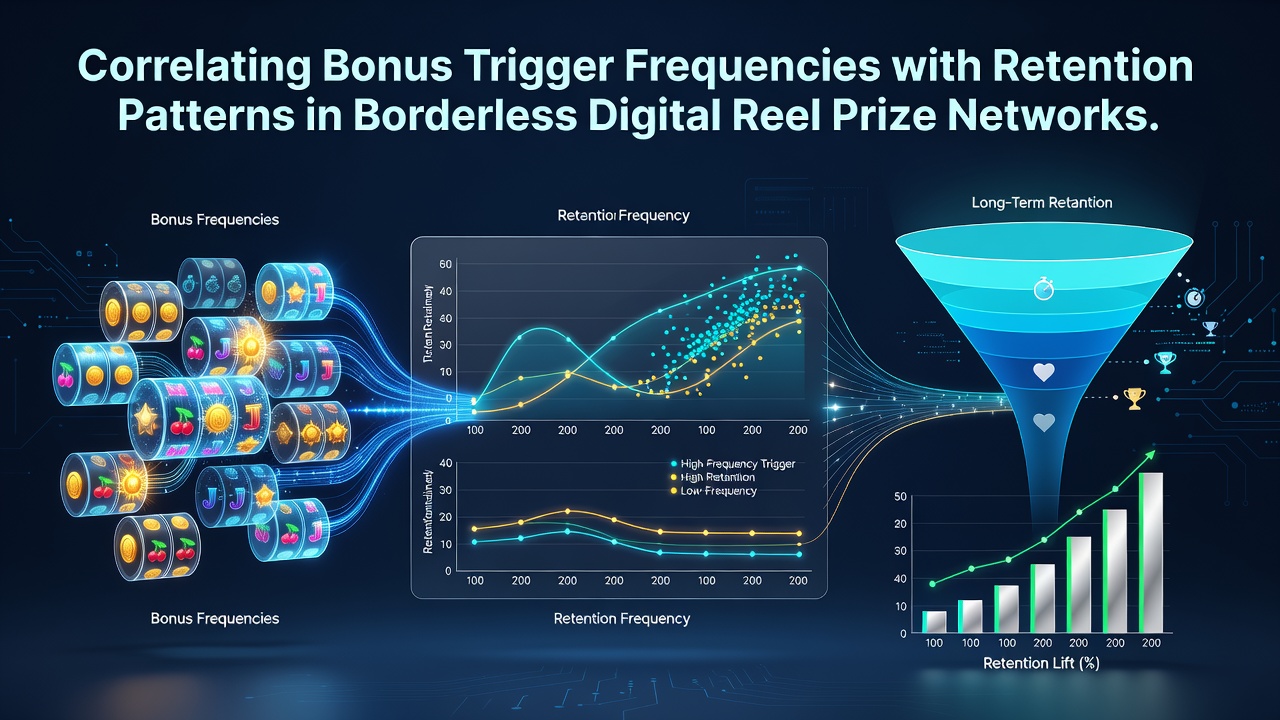
Analysts tracking player behavior in international digital reel environments have examined how often bonus features activate and what that frequency means for how long participants stay engaged with various prize networks, and data collected through 2026 shows consistent patterns across multiple regions. Studies from organizations like the Ontario Lottery and Gaming Corporation reveal that networks where bonus triggers occur between 8 and 12 percent of spins maintain higher session lengths compared to those with lower rates, while systems exceeding 15 percent activation see diminishing returns after initial spikes.
Tracking Mechanisms in Cross-Border Networks
Borderless platforms operate through synchronized data systems that log every reel spin, symbol combination, and bonus entry point in real time, allowing researchers to map activation rates against metrics such as return visits and total hours spent. In August 2026 several networks reported upgrades to their tracking infrastructure that captured additional variables including time between sessions and prize claim rates, and these enhancements produced datasets spanning North America, Europe, and parts of Asia-Pacific. Observers note that when bonus triggers cluster within the first 50 spins, retention curves flatten more slowly over subsequent weeks, whereas delayed activations beyond 100 spins correlate with quicker drop-offs according to aggregated figures.
Regional Differences in Activation and Loyalty
European operators following directives from the Malta Gaming Authority demonstrate different retention responses than their counterparts in Australia, where the Australian Communications and Media Authority oversees stricter disclosure rules around prize mechanics. Data indicates that networks serving Australian users retain participants longer when bonus frequencies sit near 10 percent, while European audiences show steadier engagement across a wider band of 7 to 14 percent activation. These variations emerge because regulatory frameworks shape how prize structures are presented, and players in each region develop expectations that influence whether they continue participating after initial sessions.
Quantitative Links and Platform Adjustments
One study released by a Canadian research consortium examined over 2.3 million user profiles across five borderless networks and found a positive correlation coefficient of 0.67 between bonus trigger rates in the 9 to 11 percent range and 30-day retention figures. Platforms responded by fine-tuning reel algorithms to nudge activation closer to that window, and subsequent monthly reports showed average session duration rising by 18 percent in targeted cohorts. Yet networks that pushed frequencies above 16 percent experienced a reversal where short-term spikes gave way to accelerated exits after the second week, suggesting an optimal band exists rather than a simple linear relationship.
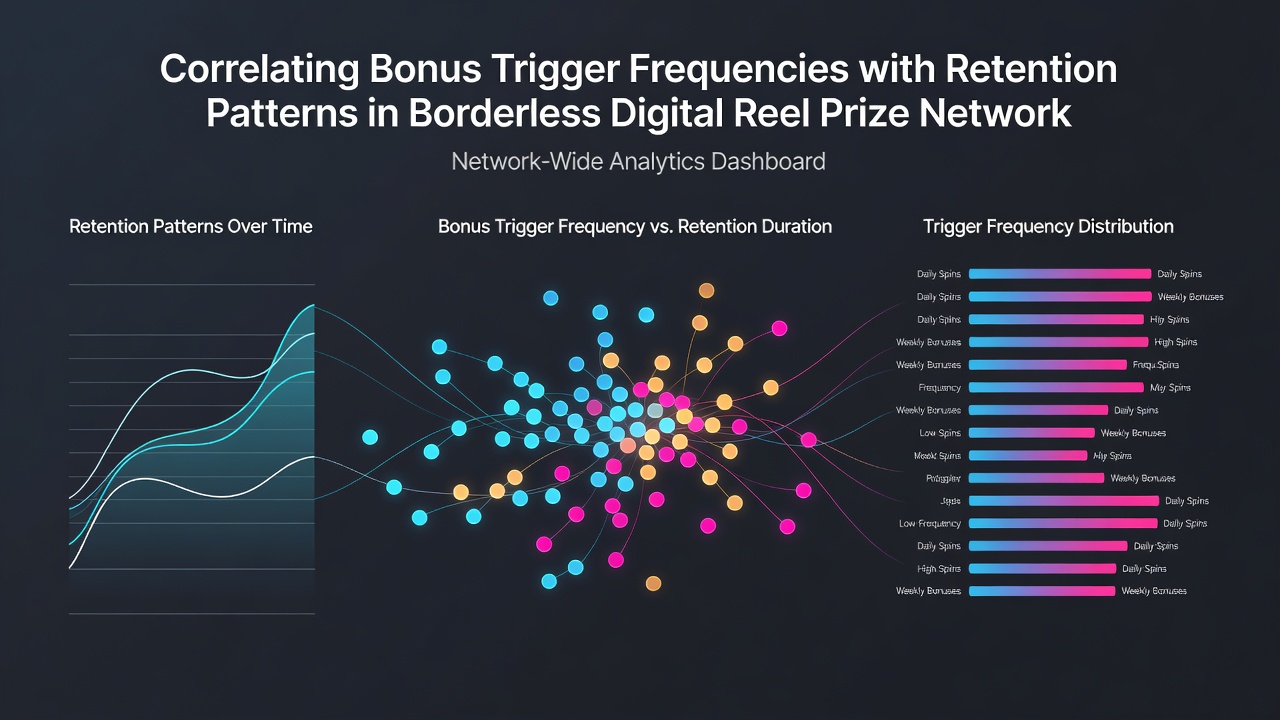
Additional variables such as prize pool size and leaderboard visibility also interact with these frequencies, and researchers continue to isolate their effects through controlled comparisons. Networks that combine moderate bonus rates with visible collective progress markers tend to sustain participation across longer timeframes, while those relying solely on high-frequency triggers see quicker saturation even when individual wins remain substantial.
Future Monitoring and Data Integration
Industry groups including the World Lottery Association have begun standardizing reporting formats for activation and retention metrics so comparisons across borders become more reliable, and preliminary frameworks released in mid-2026 emphasize uniform definitions for what constitutes a bonus event. These efforts allow clearer identification of patterns that hold across different regulatory environments and player demographics. As synchronization tools improve, analysts expect even finer granularity in how specific reel features influence continued engagement, particularly in markets where cross-platform play continues to expand.
Conclusion
Evidence gathered from multiple international sources demonstrates measurable ties between bonus activation frequency and retention outcomes in borderless digital reel prize networks, with the strongest results appearing in a moderate range that varies slightly by region. Continued data collection through standardized systems will refine these understandings and support platform decisions that align activation settings with observed player persistence patterns.