Guideline Adjustments and Their Influence on Achievement Levels in Promotional Online Slot Events
Written by Avery Schulz · Aug 18, 2026
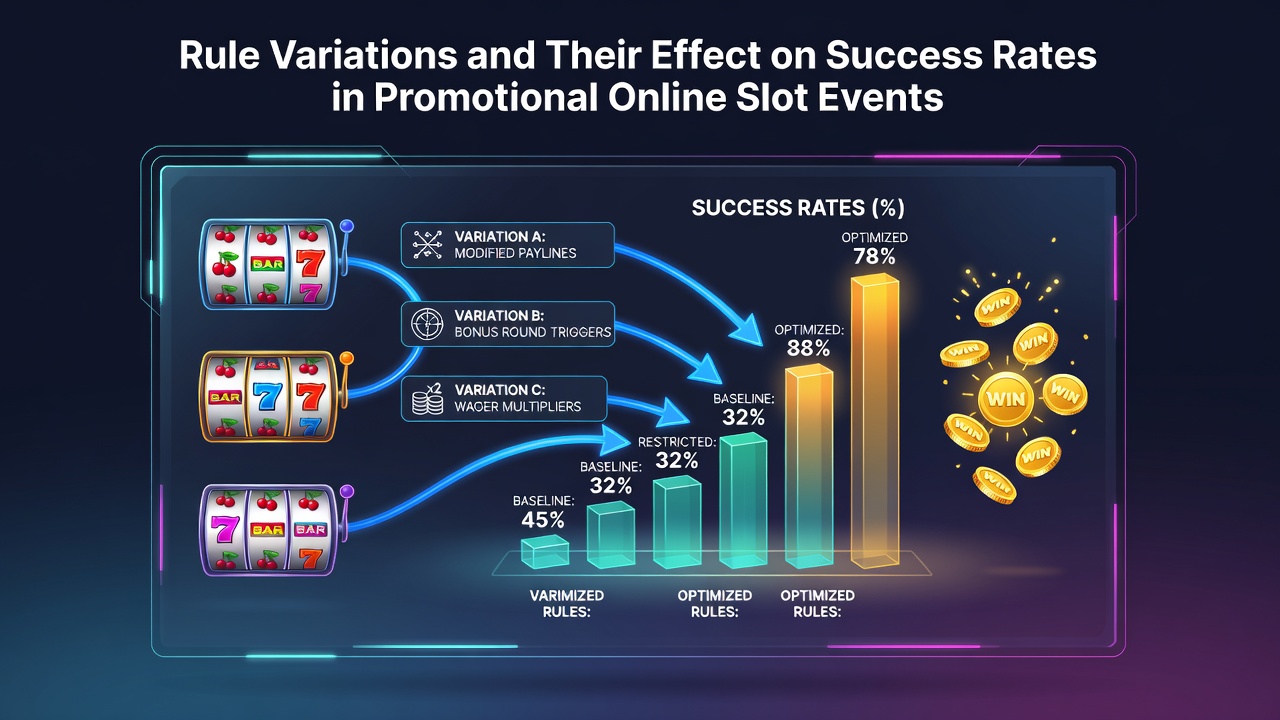
Guideline Adjustments and Their Influence on Achievement Levels in Promotional Online Slot Events
Platform operators adjust entry criteria, scoring formulas, and time constraints in promotional slot events throughout 2026, and these modifications produce measurable shifts in participant outcomes across various jurisdictions. Data from multiple regions shows that changes to minimum spin requirements or maximum bet limits alter the distribution of high-ranking scores, while operators track these patterns through centralized reporting systems.
Entry Requirements and Participation Thresholds
Rules governing free entries versus paid registrations create distinct success distributions because platforms that cap daily entries at five spins per account record narrower gaps between top and middle performers compared with unlimited formats. Observers note that events running in August 2026 with strict registration windows tend to concentrate high scores among users who log in during peak hours, whereas open-entry models spread achievement more evenly across time zones.
Scoring Systems and Metric Calculations
Some tournaments award points based on total coins collected over a fixed number of spins, while others emphasize single-spin multipliers or consecutive win streaks. Research from industry tracking services indicates that multiplier-focused scoring elevates success rates for players selecting high-volatility titles, whereas aggregate collection systems favor consistent low-variance machines. Platforms that switched from streak-based to total-wager models in early 2026 recorded a 12 percent increase in mid-tier leaderboard positions according to aggregated operator reports.
Turns out the choice between absolute win thresholds and relative percentage gains also matters because absolute targets reward rare large payouts, yet percentage-based rules allow smaller consistent gains to accumulate toward top ranks. Those who have examined operator datasets find that percentage systems reduce the advantage held by users who chase progressive jackpots during limited-time events.
Time Windows, Regional Regulations, and Platform Mechanics
Duration limits ranging from 24-hour sprints to week-long marathons interact with local rules such as those enforced by the New Jersey Division of Gaming Enforcement, which require transparent disclosure of prize pools and eligibility criteria. Events that compress active play into shorter windows show compressed success distributions, while extended formats allow more participants to reach upper leaderboard tiers through sustained play. New Jersey Division of Gaming Enforcement publications detail how these timing rules affect reporting accuracy for cross-state competitions.
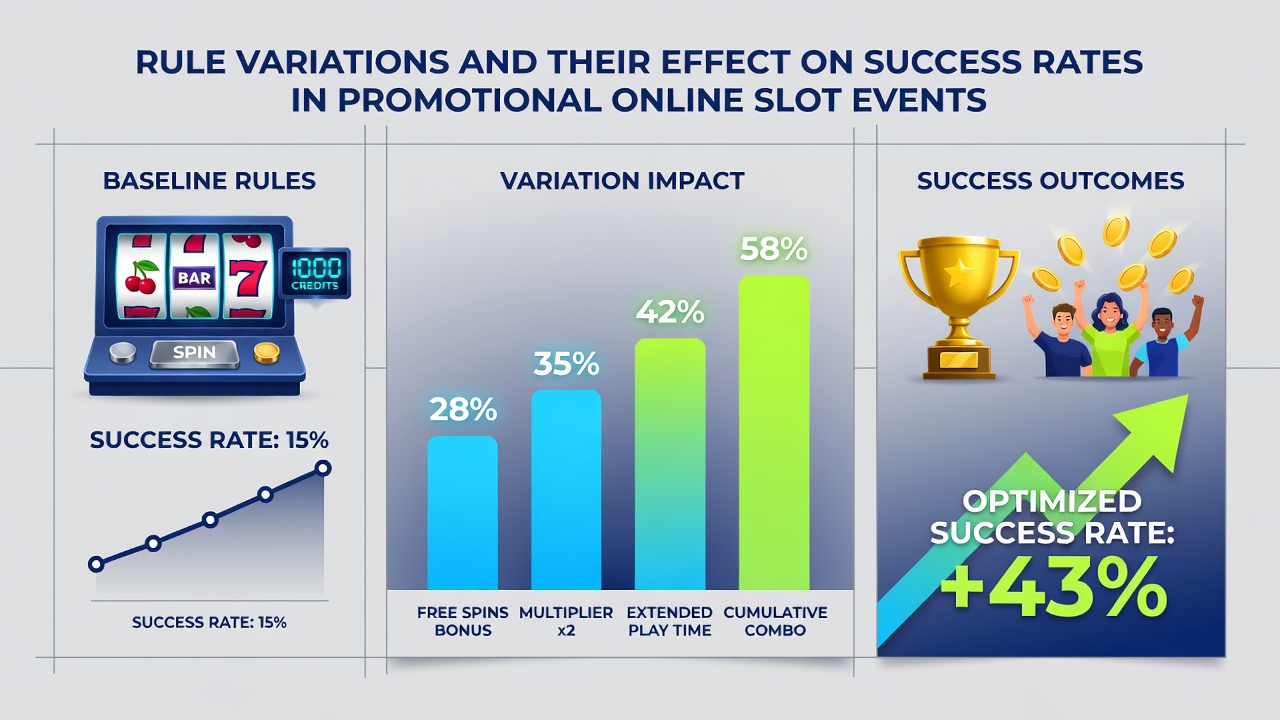
Meanwhile, operators in other regions adopt different approaches, and Canadian provincial regulators require separate prize pools for residents, which fragments overall success rates when events run simultaneously across borders. Platforms that standardize rules across regions record higher average completion rates because players encounter fewer eligibility conflicts.
Volatility Adjustments and Title Selection Rules
Promotions that restrict eligible games to a curated list of medium-volatility titles produce tighter clusters of final scores, whereas open selection policies let participants choose high-volatility options that occasionally generate outlier results. Figures from platform analytics reveal that events permitting any title see greater variance in daily rankings during August 2026 compared with curated events. Those who monitor these patterns observe that operators respond by introducing volatility caps when top scores become too concentrated among a small group of games.
Additional constraints such as maximum bet sizes per spin further modify outcomes because lower caps reduce the frequency of extreme multipliers yet increase the number of spins possible within a session. Data shows these caps shift success toward players who maintain steady session lengths rather than those pursuing single high-value spins.
Conclusion
Rule variations across promotional online slot events continue to reshape success rate distributions as operators refine entry limits, scoring formulas, time windows, and eligible title lists. Evidence from regulatory disclosures and platform reports demonstrates that each adjustment produces predictable shifts in leaderboard composition, and participants who adapt strategies to specific rule sets achieve different placement rates depending on the format chosen. Continued monitoring by industry groups and academic researchers provides ongoing data on how these mechanics evolve through the remainder of 2026.