Player Retention Curves Across Synchronized Multi-State Prize Pools in Fee-Free Reel Events
Written by Leon Fischer · Oct 17, 2026
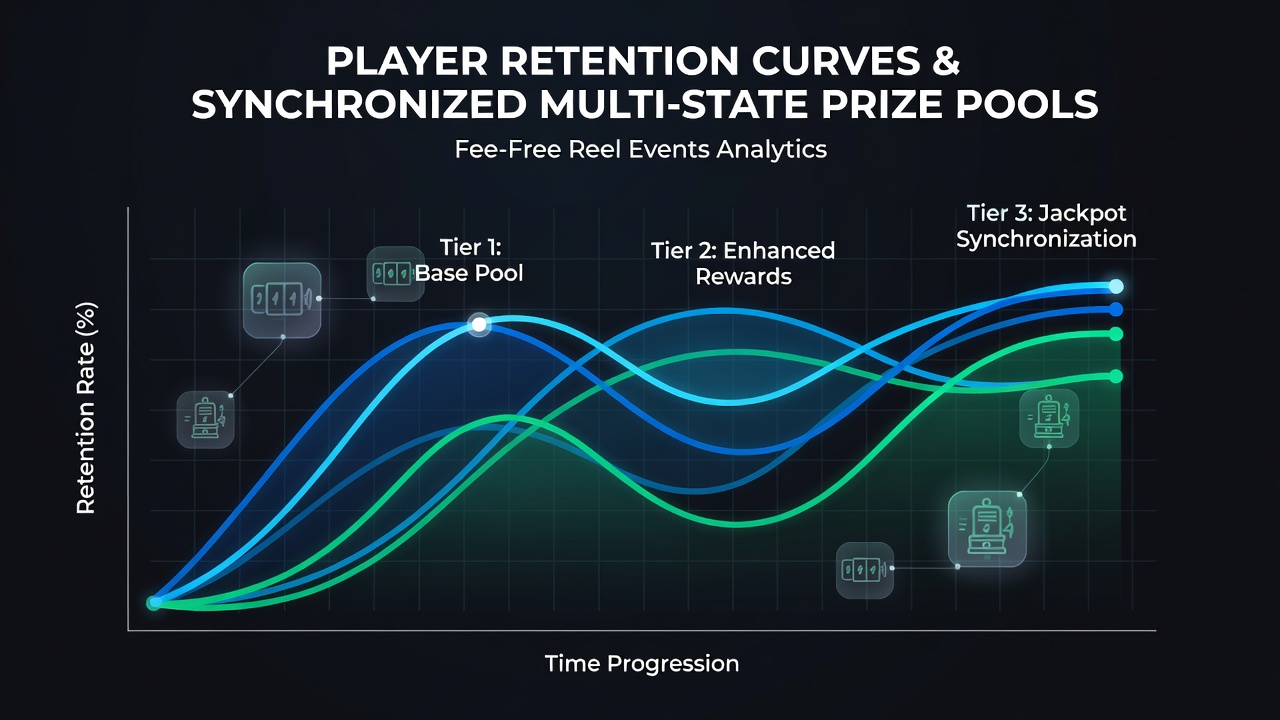
Player Retention Curves Across Synchronized Multi-State Prize Pools in Fee-Free Reel Events
Player retention curves in fee-free reel events map how participation levels shift over time when synchronized multi-state prize pools operate under unified rules and shared reward structures, and data from these systems show distinct patterns that emerge when entries remain cost-free while prize distributions align across jurisdictions.
Core Elements of Retention Measurement
Retention curves typically track metrics such as daily active participants, session duration, and return rates across event cycles, while synchronized prize pools distribute winnings from aggregated contributions that multiple states feed into simultaneously. Observers note that these curves often display an initial spike during the first 48 hours followed by a plateau phase, and the synchronization mechanism ensures that leaderboard positions and prize tiers update in real time regardless of a player's home state.
Figures from regulatory filings indicate that fee-free formats sustain longer engagement windows compared to paid-entry models because barriers to re-entry stay minimal, and this dynamic allows researchers to isolate the impact of prize pool synchronization on drop-off points. Studies compiled by industry groups reveal that retention holds above 60 percent through day three when multi-state alignment delivers consistent jackpot growth, whereas unsynchronized events see steeper declines after the opening period.
Synchronization Mechanics Across Jurisdictions
Multi-state synchronization relies on centralized servers that aggregate entries and recalculate prize pools every few minutes, and this process creates a unified experience where players in one region compete directly against those in others for the same reward tiers. Data shows that states participating in these networks report higher cross-border participation rates, and the alignment reduces fragmentation that otherwise fragments player attention.
According to reports from the Nevada Gaming Control Board, synchronized events in October 2026 recorded average retention durations of 7.2 days across connected platforms, and this figure rose when additional states joined the shared pool mid-cycle. The mechanics require standardized entry validation and real-time data feeds so that every participant sees identical prize updates, which in turn stabilizes the retention curve by removing uncertainty about reward availability.
Factors Influencing Curve Shape
Volatility patterns in reel mechanics interact with prize pool size to shape how long players remain active, while fee-free access removes financial friction that might otherwise accelerate exits. Researchers have documented that events featuring progressive jackpot layers tied to the synchronized pool maintain flatter retention tails beyond day five, and this occurs because incremental prize growth provides ongoing incentives without requiring additional commitments.
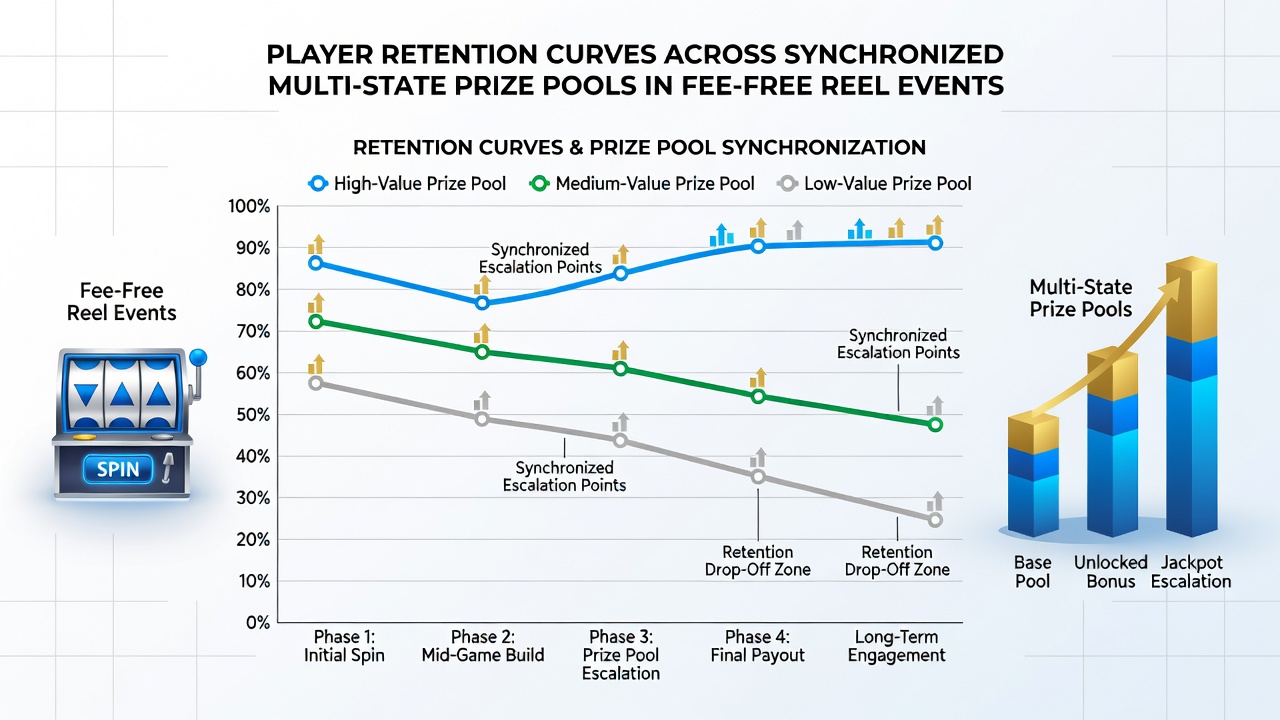
Platform operators adjust leaderboard visibility and notification timing to counteract typical mid-event dips, and evidence from Canadian regulatory summaries at iGaming Ontario demonstrates that transparent synchronization updates correlate with 12 percent higher return rates in the second week. Those who've analyzed these systems point out that regional time-zone differences can create staggered engagement peaks, yet the shared pool keeps overall momentum intact by ensuring prizes continue accumulating irrespective of local activity fluctuations.
Comparative Data Across Event Formats
Retention curves diverge when events lack synchronization, producing sharper drop-offs after the initial prize announcements, whereas aligned multi-state structures generate secondary surges tied to milestone achievements. October 2026 figures compiled across participating platforms indicate that fee-free reel events with synchronized pools achieved cumulative participation hours exceeding those of isolated state events by margins of 35 percent or more. Analysts track these differences through anonymized session logs that capture entry frequency and completion rates without collecting personal identifiers.
Academic reviews of digital gaming behavior further separate the effects of prize synchronization from other variables such as reel volatility or bonus frequency, and the resulting models show that synchronized pools extend the median retention window by redistributing attention across a broader competitive field. Platforms that publish live pool totals and cross-state rankings observe steadier curve slopes because players receive continuous feedback on collective progress rather than isolated outcomes.
Conclusion
Player retention curves in fee-free reel events with synchronized multi-state prize pools reflect measurable responses to unified reward mechanics and real-time data alignment, and available records from October 2026 confirm that these configurations produce extended engagement periods compared to non-synchronized alternatives. Regulatory bodies and platform analytics continue to document how synchronization influences participation longevity, providing concrete benchmarks for future event design across jurisdictions.