Threshold Mechanics: How Multipliers Influence Ranking Changes in Multi-Platform Prize Events
Written by Leon Fischer · Aug 18, 2026
Threshold Mechanics: How Multipliers Influence Ranking Changes in Multi-Platform Prize Events
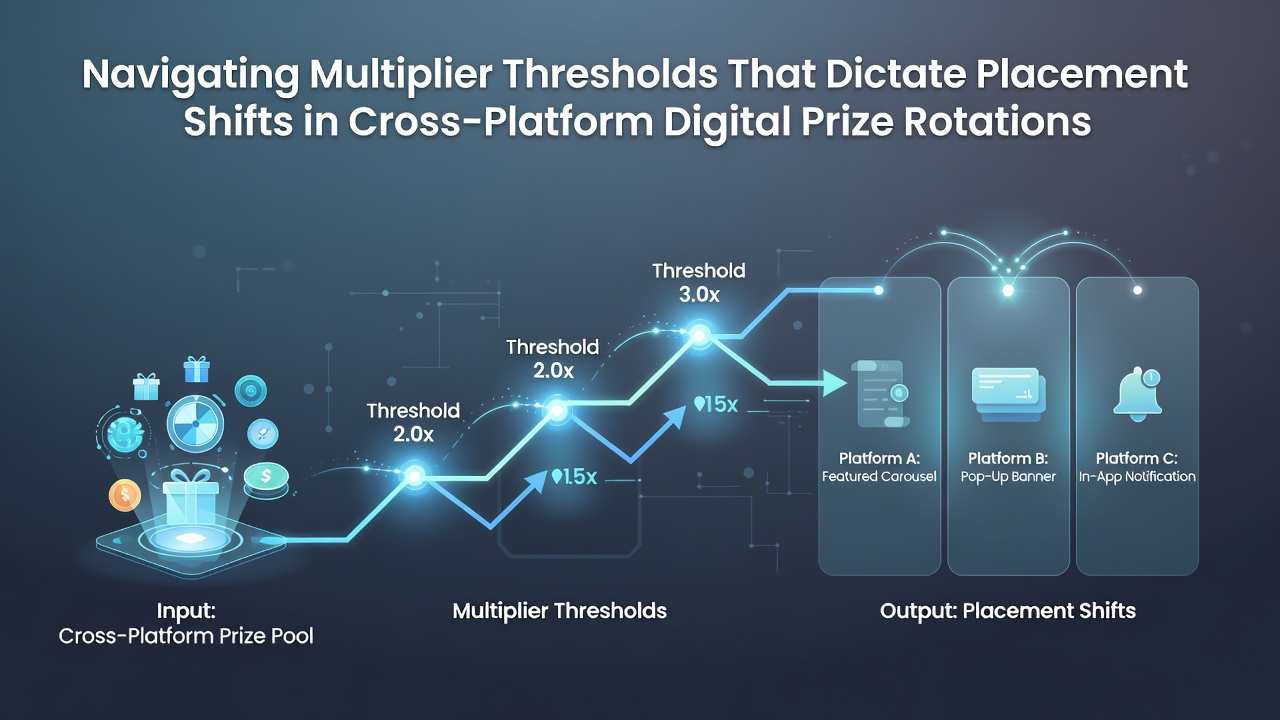
Digital prize rotations operate through structured systems where multiplier thresholds determine how placements shift when participants accumulate points or spins across multiple platforms, and observers note that these mechanics have grown more intricate as of August 2026. Data from industry reports indicate that platforms synchronize their algorithms to handle cross-border entries, which means a single multiplier adjustment can reposition dozens of users simultaneously in shared leaderboards. Those who've studied these systems find that thresholds often activate at increments of 1.5x, 2x, and 3x, each level triggering a recalculation of standings based on accumulated activity from different operators.
Core Components of Multiplier Systems
Multiplier thresholds function as gates that recalibrate user positions once certain performance markers are met, and researchers have documented how these gates interact with real-time data feeds from various gaming environments. A threshold at 2x, for instance, typically requires a participant to exceed baseline activity by doubling their effective output, which then cascades into adjusted rankings that account for contributions from secondary platforms. Evidence from synchronized tracking tools shows that platforms must align their internal clocks and scoring protocols to prevent discrepancies, since mismatched timing can delay or distort placement updates for users operating across regions.
Cross-platform digital prize rotations rely on standardized data exchange formats that allow multipliers to apply uniformly, yet regional regulations introduce variations in how thresholds are calculated. In the United States, state-level oversight bodies track these mechanics to ensure compliance with promotional rules, while European operators follow frameworks set by authorities such as the Malta Gaming Authority that emphasize transparency in algorithmic shifts. Australian regulatory updates from 2025 onward have further required platforms to publish threshold values in advance, which has led to more predictable movement patterns in leaderboards during peak rotation periods.
Placement Shifts Triggered by Threshold Crossings
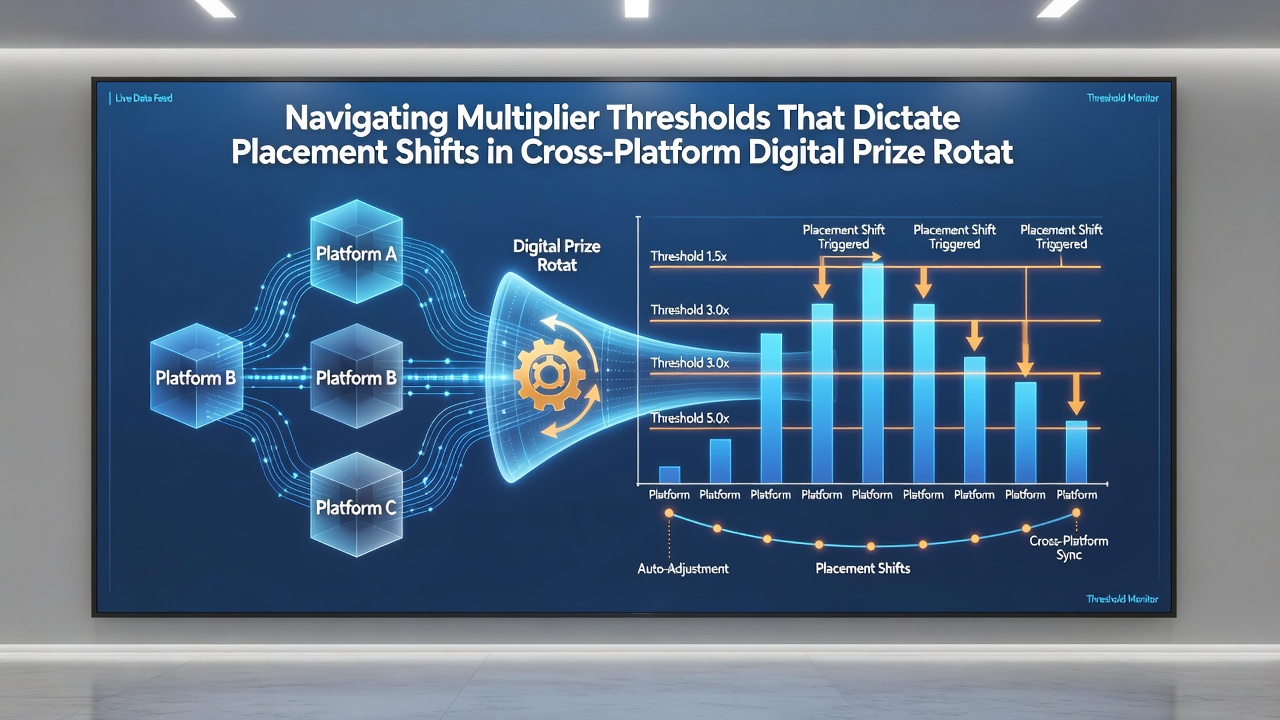
When a multiplier threshold is crossed, the system applies an amplified score to the user's total, and this amplification can propel that entry ahead of others who remain below the mark. Observers have recorded instances where a 2.5x threshold activation shifted the top ten positions within minutes because multiple users hit the mark simultaneously through coordinated play on linked platforms. Such events highlight the interconnected nature of these rotations, where activity on one site directly influences visibility on another.
Platforms incorporate safeguards to moderate rapid shifts, including cooldown periods that prevent immediate reapplication of the same multiplier, and studies from gaming research centers reveal that these pauses reduce volatility in final prize allocations. Data synchronization protocols ensure that once a threshold is verified, the updated placement propagates across all participating networks without requiring manual intervention from operators. This automation has become standard practice by August 2026, allowing competitions to run continuously while maintaining fairness across borders.
Regional Variations and Data Alignment
Different jurisdictions impose distinct requirements on how multipliers are disclosed and applied, which affects the speed and scale of placement changes in global rotations. Canadian provincial regulators, for example, mandate that platforms provide users with threshold calculators embedded in their interfaces, enabling participants to anticipate shifts before they occur. In contrast, some Asian markets focus on post-event audits rather than preemptive disclosures, resulting in more variable leaderboard behaviors during international prize events.
Industry organizations such as the American Gaming Association have compiled statistics showing increased participation in cross-platform events that utilize dynamic multipliers, with figures indicating a 27 percent rise in active users between early 2025 and August 2026. These numbers reflect the growing reliance on threshold mechanics to sustain engagement across diverse regulatory landscapes, where consistent data handling remains essential for operational integrity.
Observed Patterns in Threshold Navigation
Participants who monitor threshold announcements in advance often adjust their activity timing to align with expected activations, and case analyses from platform analytics teams demonstrate that such timing strategies correlate with higher final placements in multi-site competitions. Thresholds rarely operate in isolation; instead, they combine with volatility modifiers that scale points based on game type, adding another layer to the placement recalculation process.
Academic papers from European research institutions have examined how these combined factors influence outcome distributions, finding that platforms using unified multiplier tables experience fewer disputes over ranking accuracy. As rotations continue to expand in scope, the emphasis on precise threshold documentation has increased, ensuring that all entrants operate under the same set of rules regardless of their entry point.
Conclusion
Multiplier thresholds serve as pivotal controls within cross-platform digital prize rotations by dictating when and how placements adjust based on accumulated performance. As systems evolve through August 2026, the integration of synchronized data protocols and region-specific compliance measures continues to shape the mechanics that govern these events, providing a structured framework for consistent ranking updates across participating platforms.